Ngorongoro Crater
Ngorongoro Crater
The Ngorongoro Crater is often called Africa's Garden of Eden an extraordinary natural amphitheater where life flourishes in every direction. Standing on the crater rim, you gaze into a vast green bowl shimmering with mist, its floor alive with movement: grazing herds, drifting clouds, and the distant call of lions. It's one of the few places on Earth where the beauty, scale, and abundance of nature truly take your breath away.
What Makes It Special Natural Wonder
Formed about two million years ago by a massive volcanic collapse, the Ngorongoro Crater is the world's largest intact volcanic caldera, 20 kilometres wide and 600 metres deep.
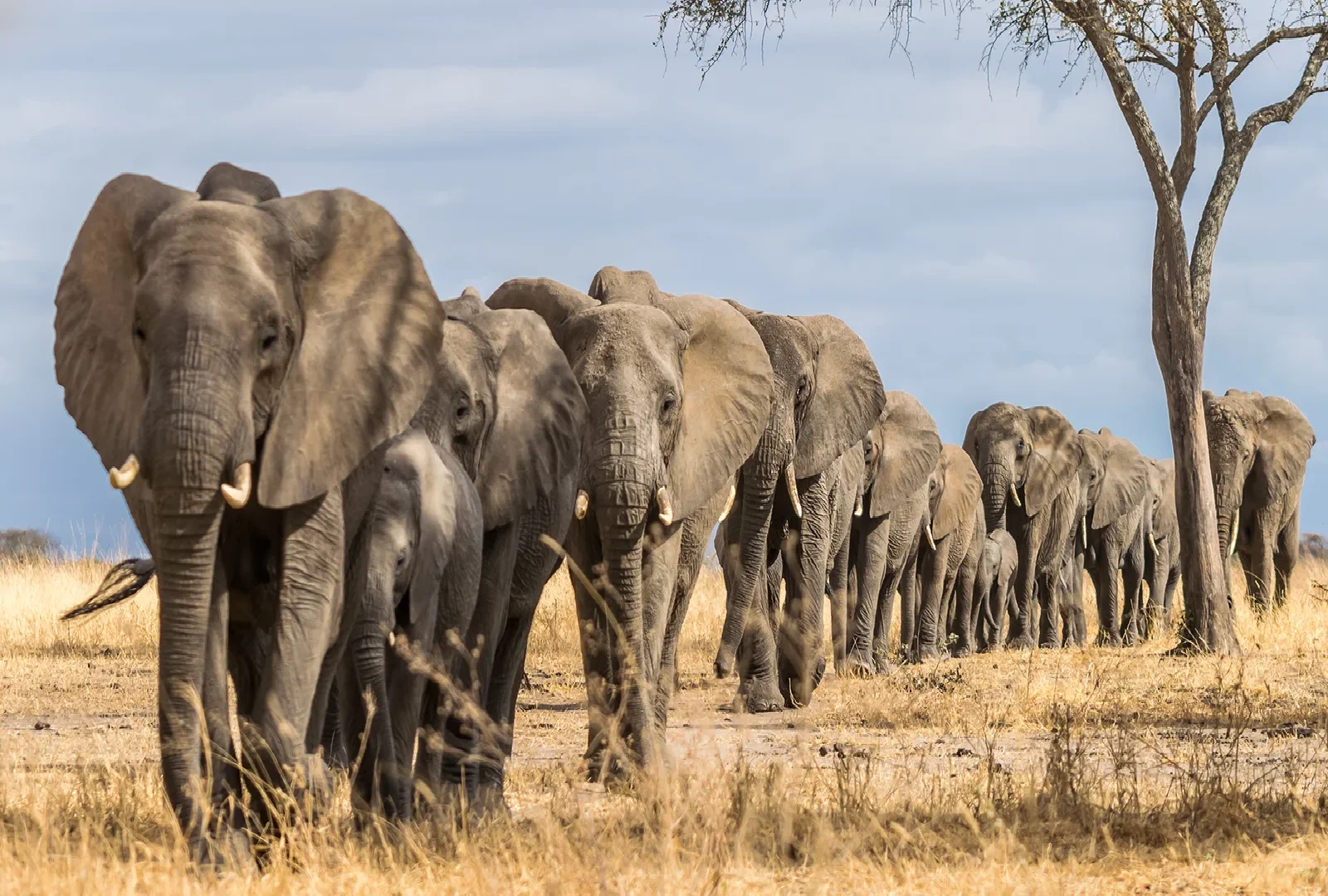
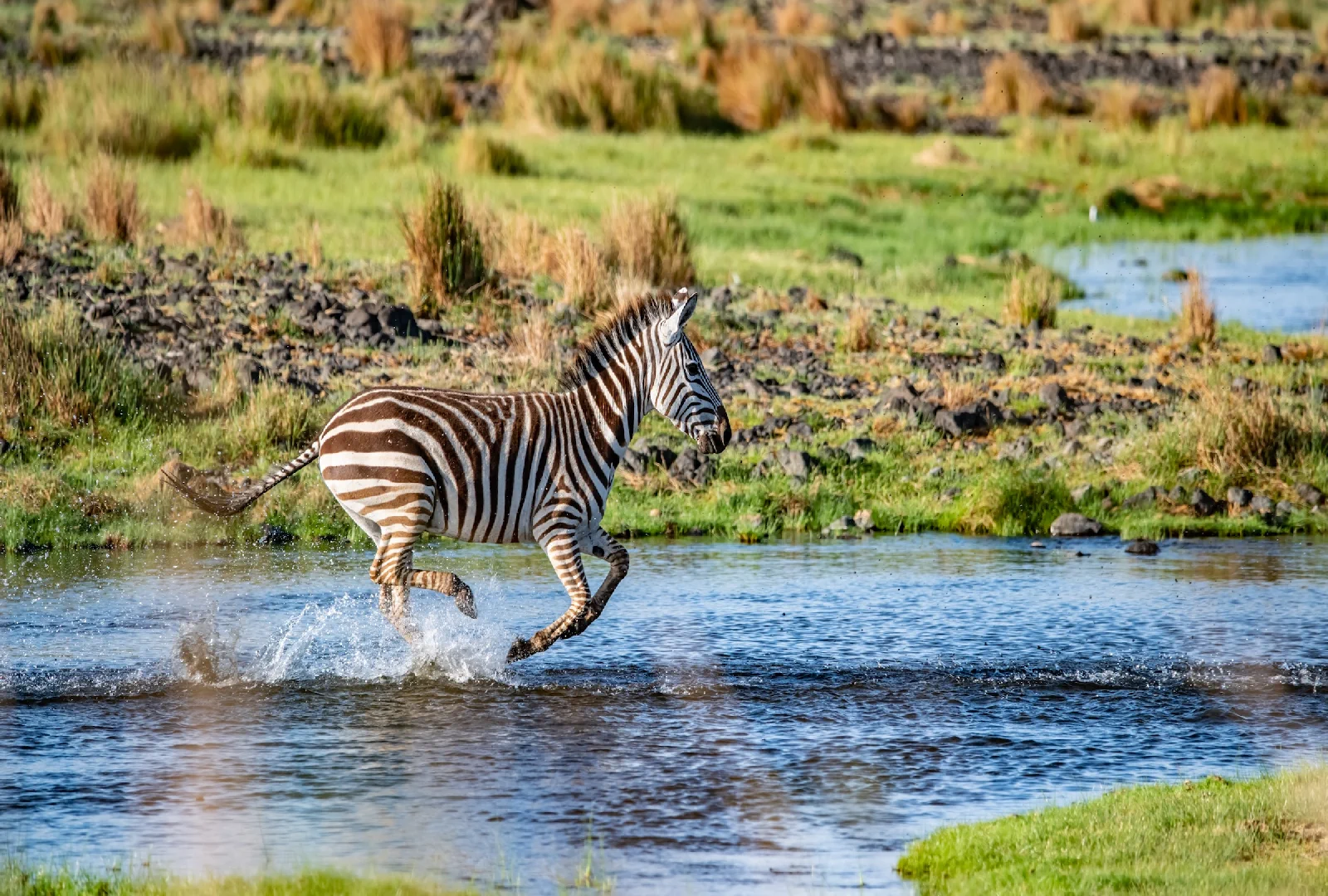
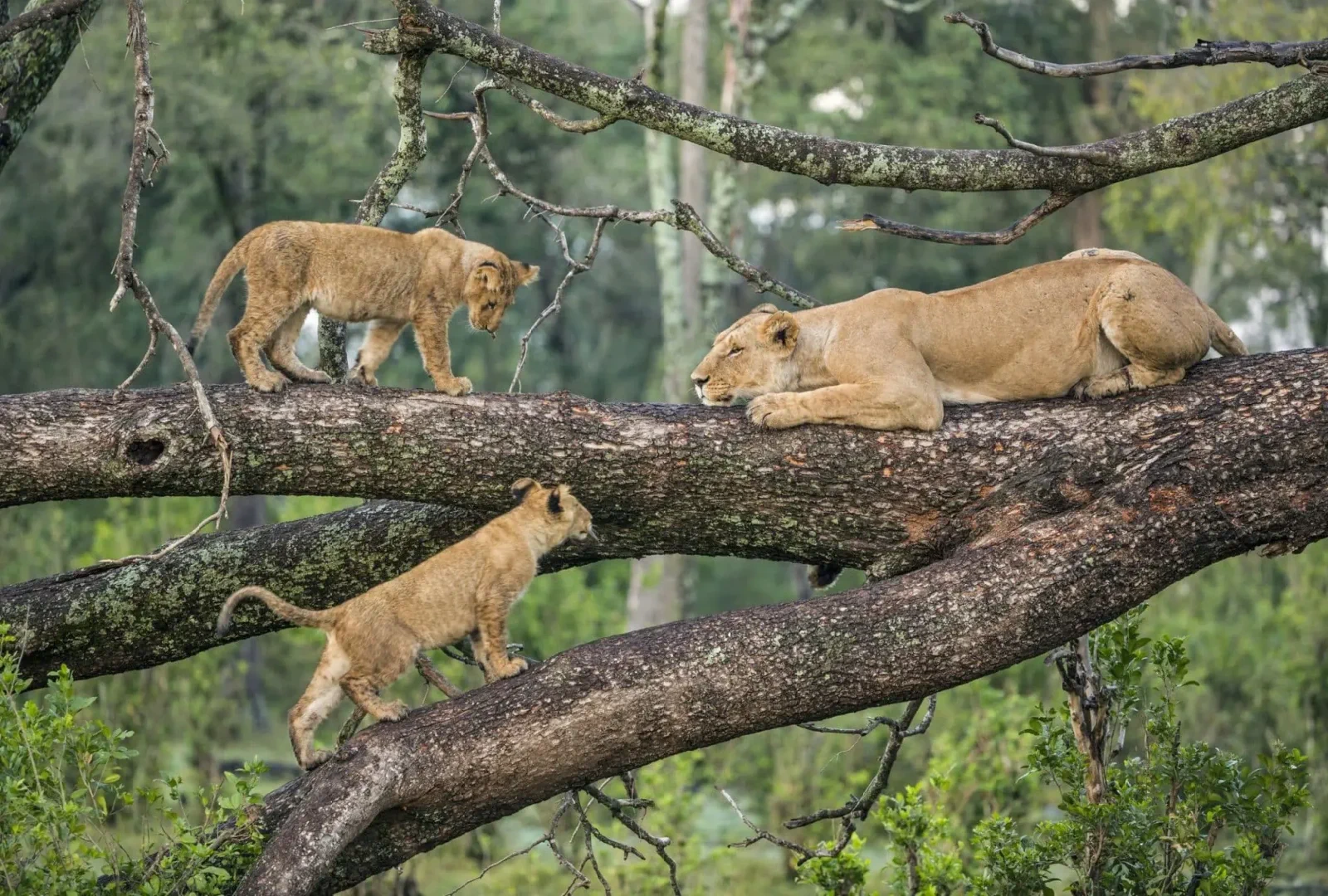
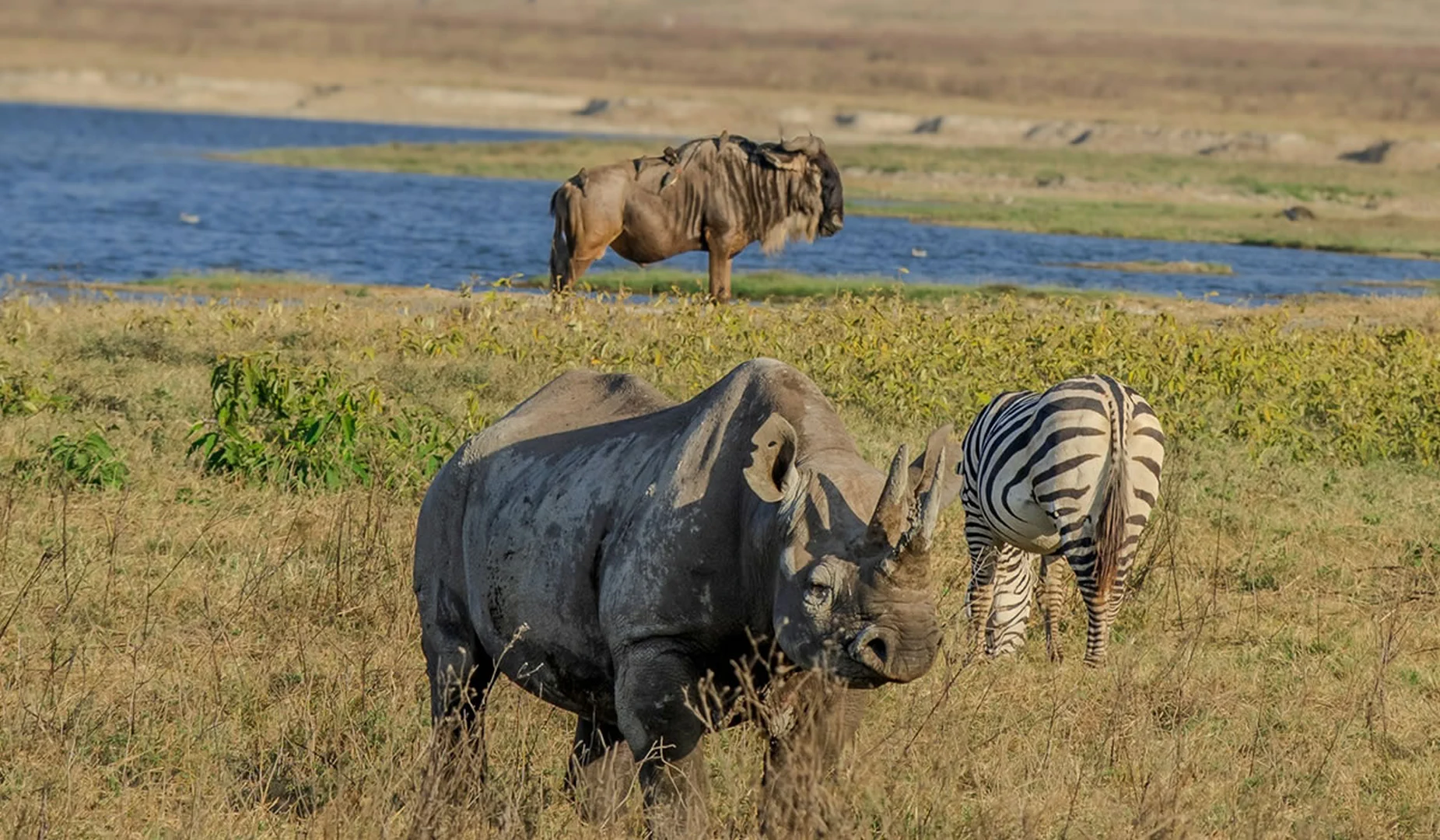
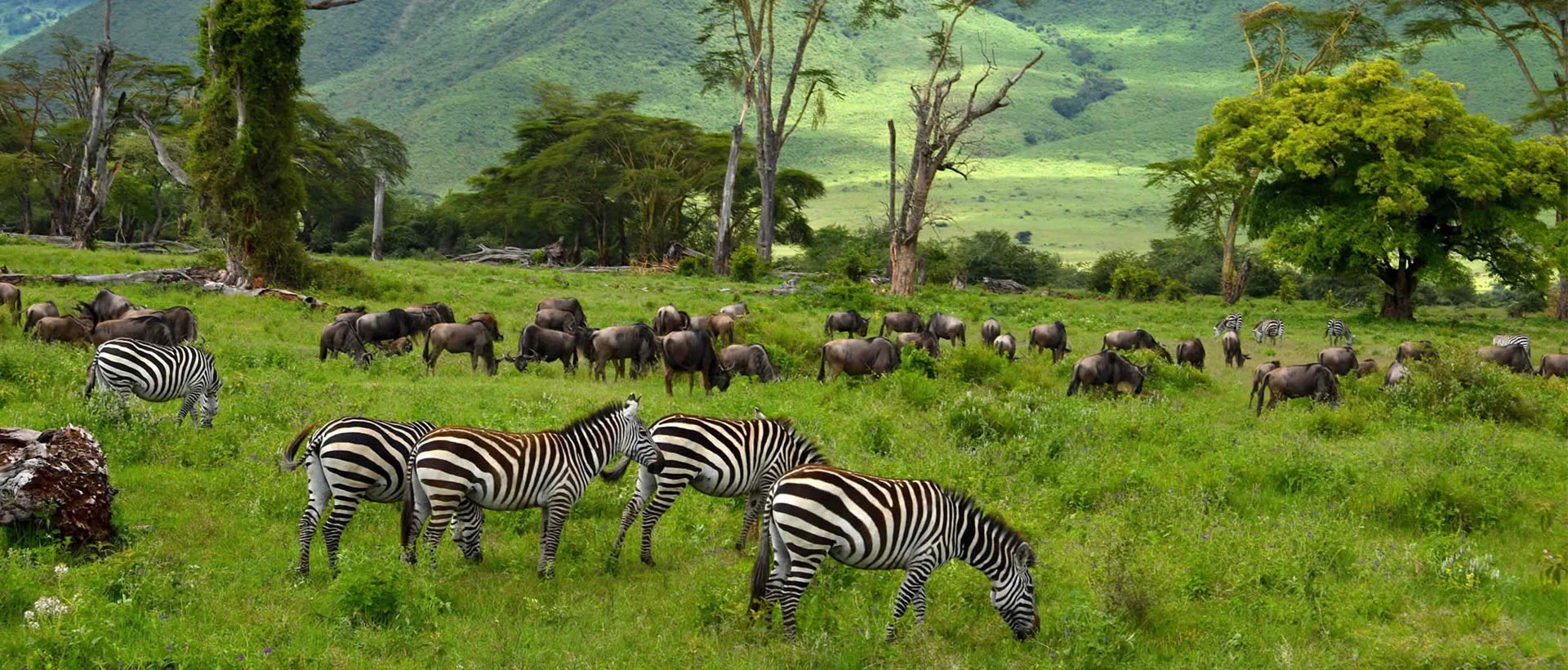
Over 25,000 large animals live within its walls, including all the Big Five and the rare black rhino, making it one of the best places in Tanzania to see them all in a single day.
From grassy plains and shady forests to a soda lake glowing pink with flamingos, each part of the crater supports its own unique community of species, a perfect microcosm of East African wildlife.
The view from the rim is unforgettable: mist-draped highlands, acacia-lined slopes, and a spectacular drop into an ancient world teeming with life.
Wildlife Highlights
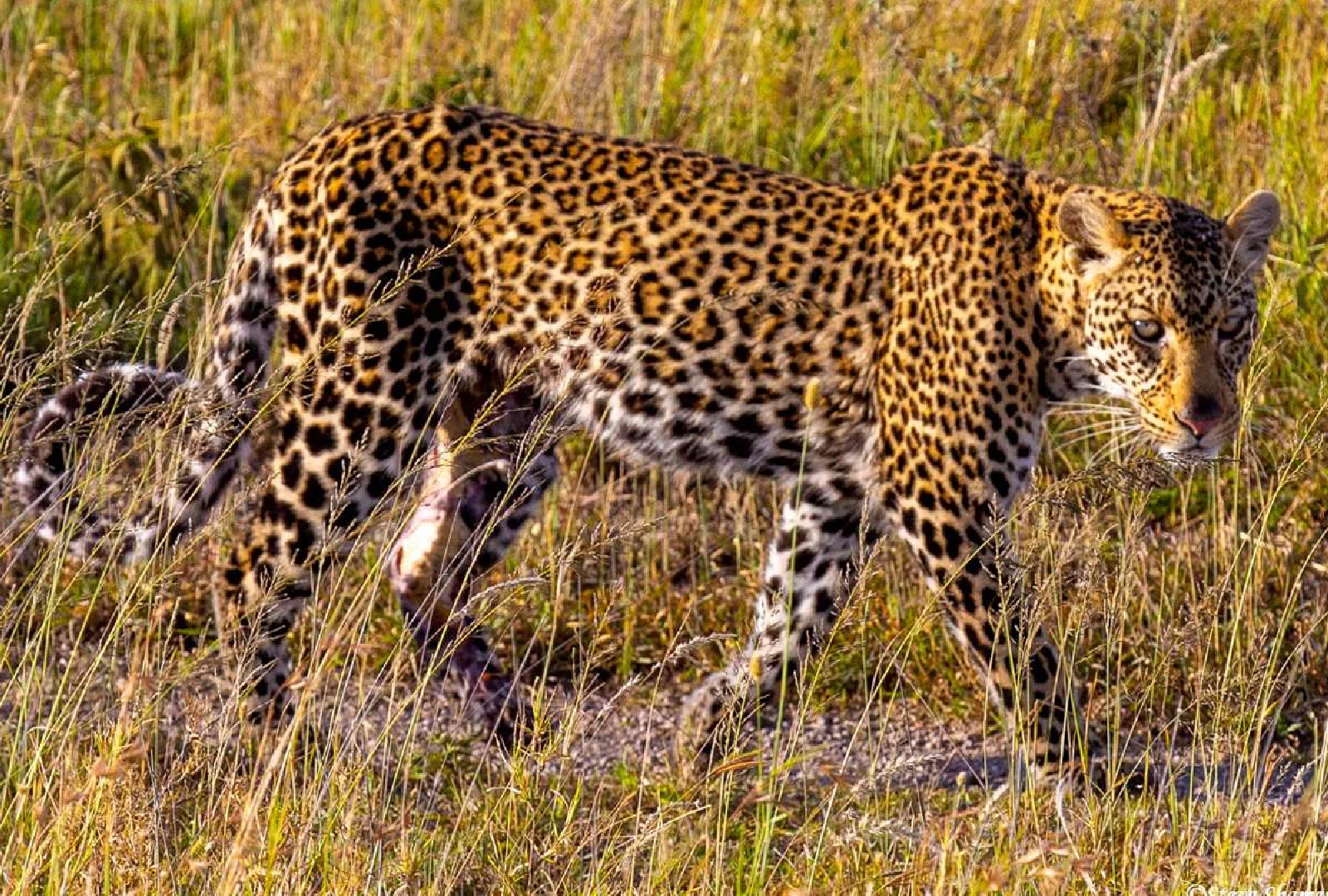
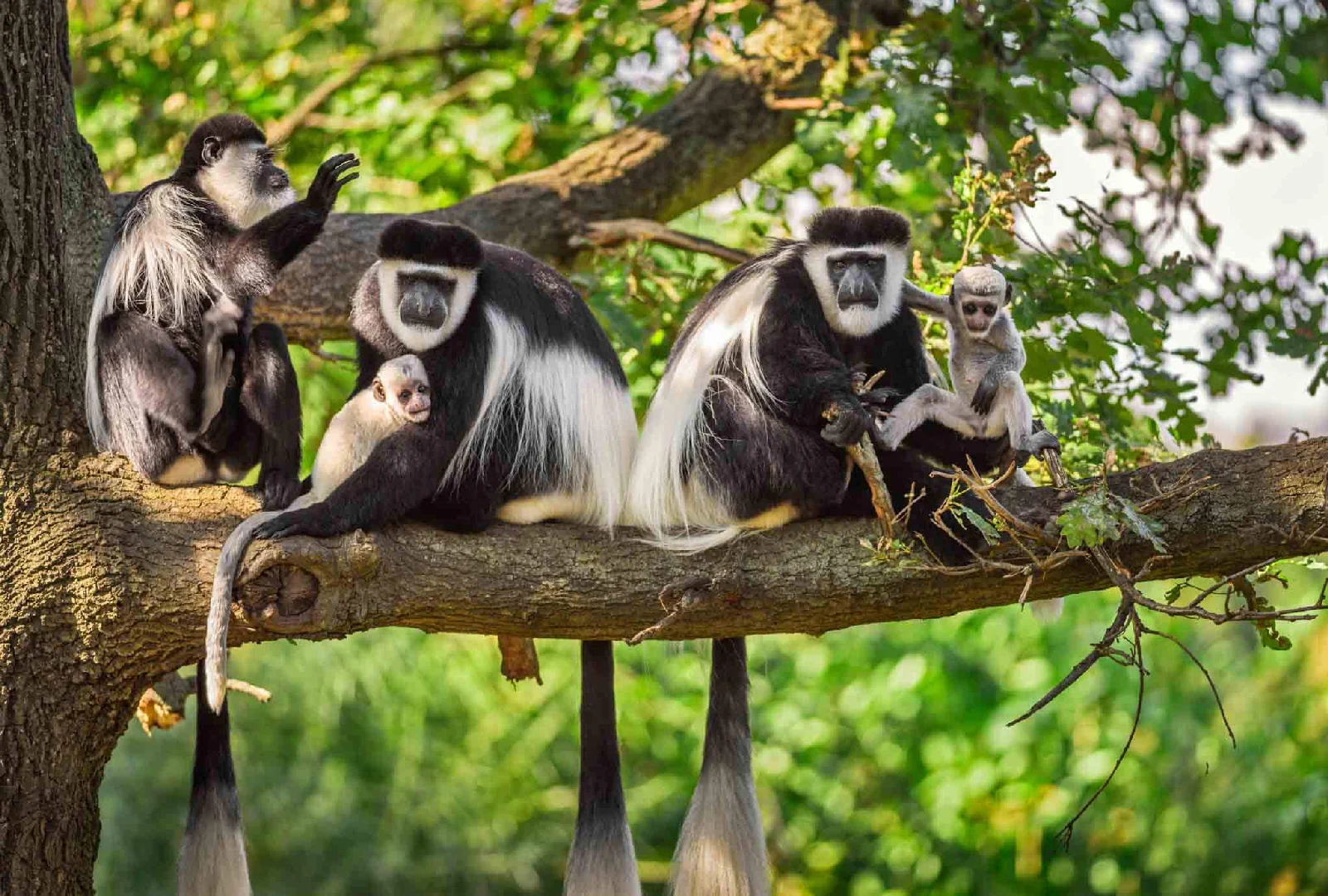
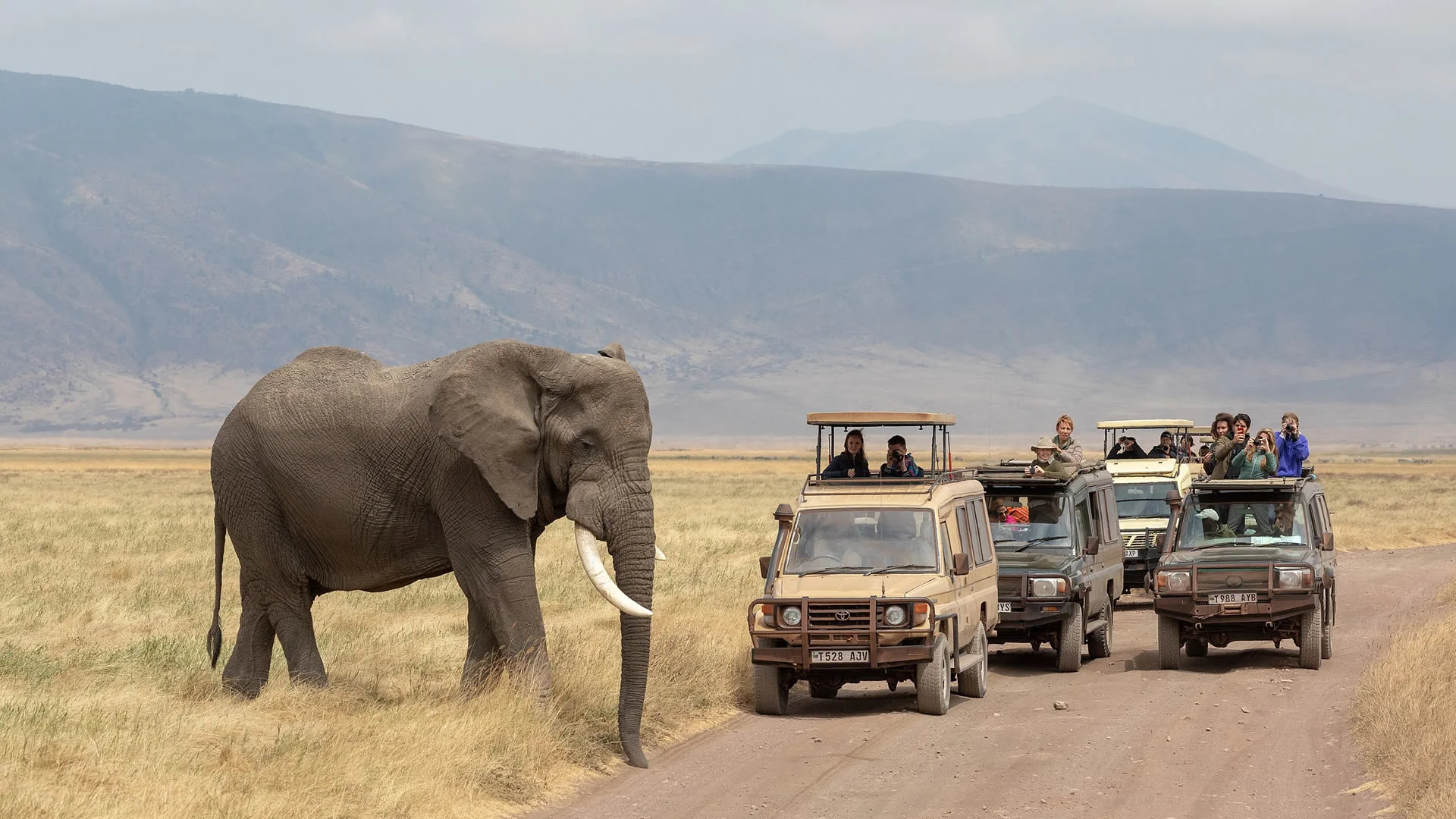
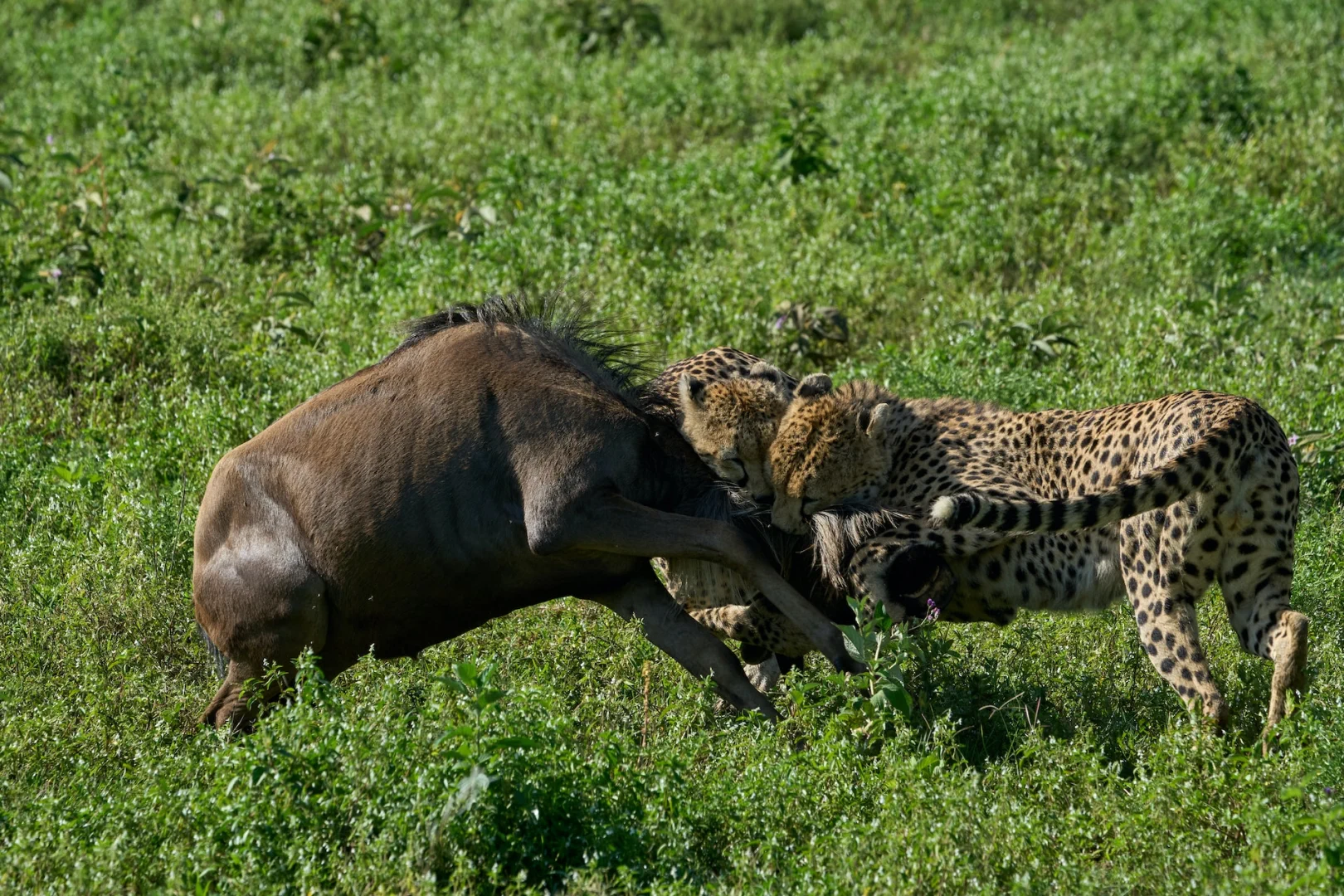
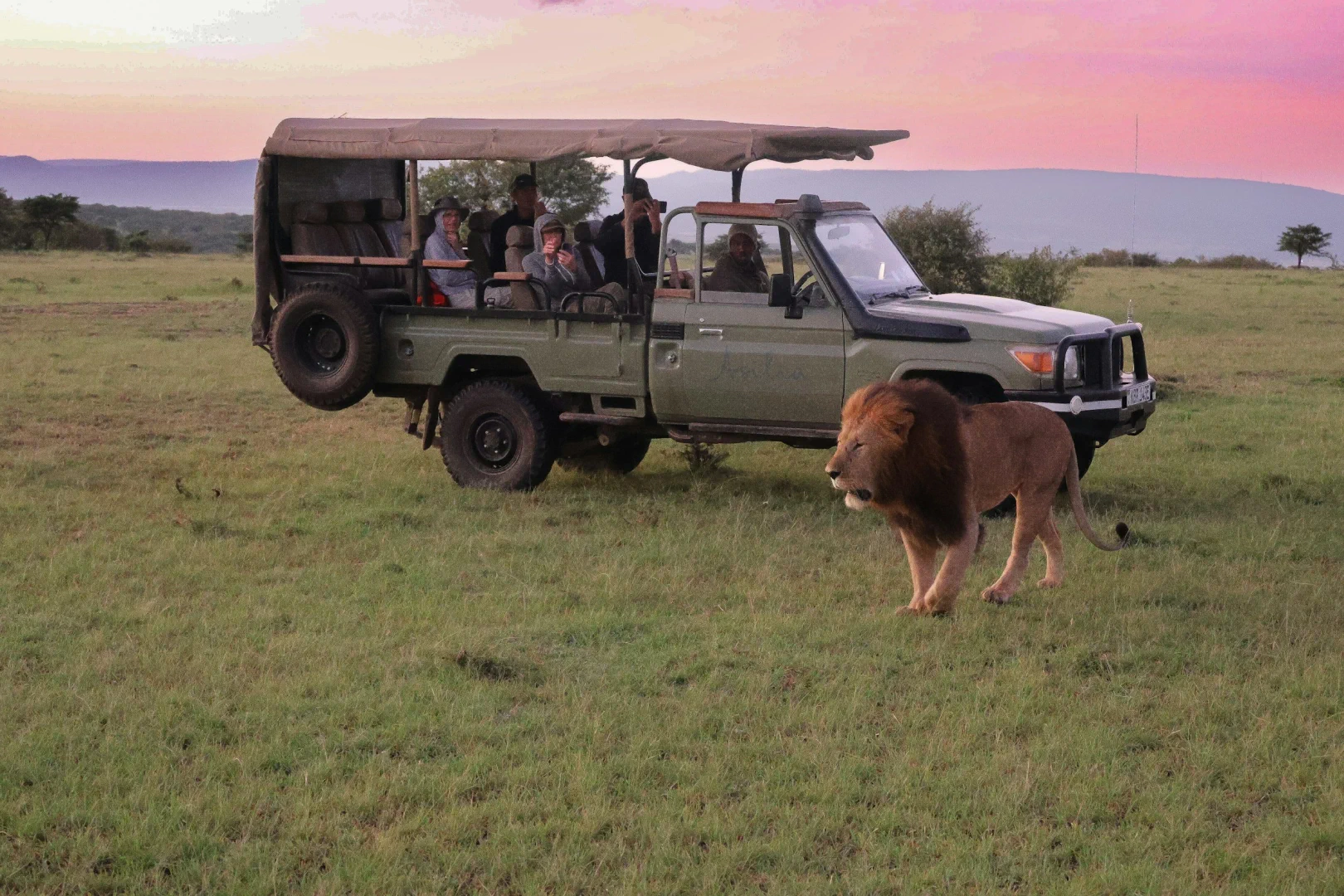
Spot the Big Five lion, elephant, buffalo, leopard (rare), and black rhino alongside wildebeest, zebra, gazelle, hyena, and colorful birdlife. Flamingos shimmer across the crater lake, crowned cranes and ostriches wander the plains, and raptors glide over the rim.
Things to Do
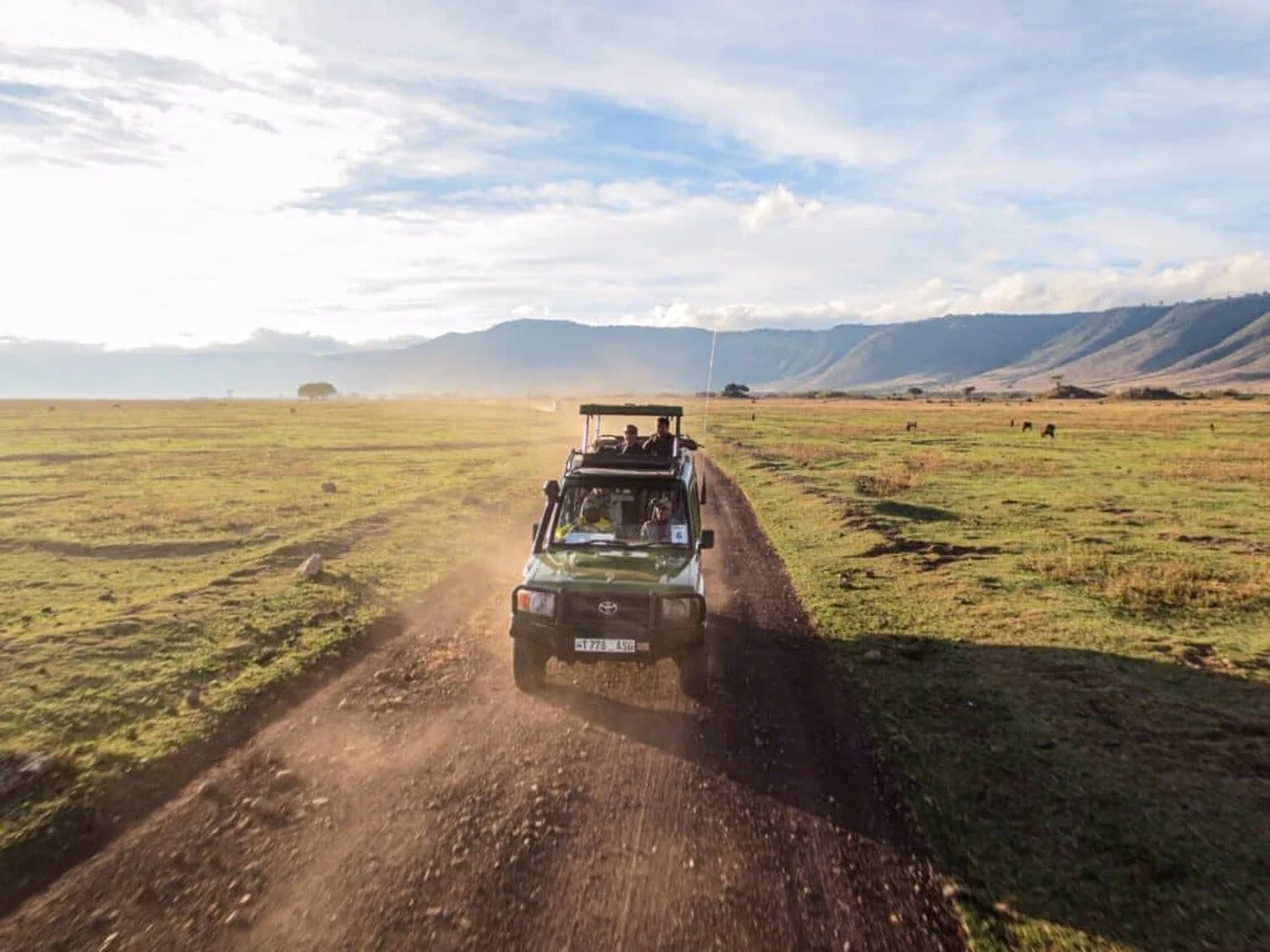
Crater Game Drive: Descend to the crater floor for a full day of unforgettable encounters; early morning mists make for truly magical photographs.
Rim Viewpoints: Pause at scenic lookouts for sweeping panoramas of the crater below.
Cultural Visits: Visit a nearby Maasai village to experience traditional pastoral life.
Olduvai Gorge Excursion: Explore one of the world's most important archaeological sites and trace humanity's earliest footsteps.
When to Go
Ngorongoro is spectacular throughout the year.
- June - October (Dry Season): Best for wildlife sightings, clear views, and cool rim temperatures.
- November - May (Green Season): Lush landscapes, fewer visitors, and wonderful birding especially between February and April, when nearby Serengeti herds begin calving.
Getting There
Part of Tanzania's Northern Safari Circuit, the crater is easily reached by:
- Road: About three hours from Arusha or 1.5 hours from Lake Manyara.
- Air: Scheduled or charter flights land at Lake Manyara Airstrip, followed by a scenic drive into the highlands.
Stay in rim‑top lodges with sweeping views or intimate camps set within the surrounding conservation area each perfectly positioned for exploring this world‑renowned wonder.